
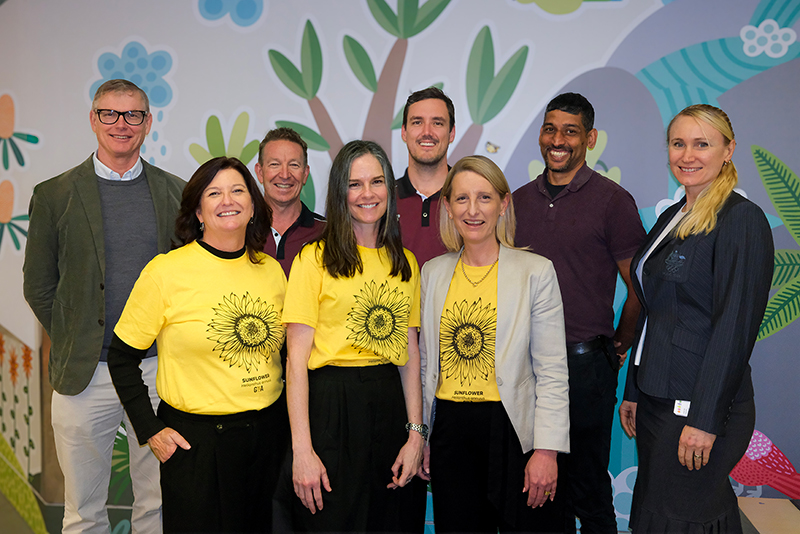
Children’s Health Queensland hosted its inaugural Disability Showcase, to celebrate the people, partnerships and initiatives helping create more inclusive and accessible healthcare and workplace environments.
The event provided an opportunity to connect, learn and share ideas while demonstrating how Children’s Health Queensland is progressing the goals of its first Disability Inclusion Action Plan 2025–2029.
Throughout the day, attendees heard from Children’s Health Queensland teams and partner organisations about projects and changes happening to ensure staff, children and young people with a disability feel safe, seen and supported.
The event program included presentations on inclusive healthcare in medical imaging and nuclear medicine, sensory neutral spaces and sensory hours, health literacy and digital health tools, and paediatric enhancements to the Julian’s Key Health Passport.
Children’s Health Queensland Chief Executive Frank Tracey, said the organisation was committed to reducing physical, environmental and attitudinal barriers for people with disability, and fostering a culture that celebrates diversity and champions equity.
“We believe every child, young person, family and staff member deserves equitable access to healthcare, opportunities and environments where they can thrive,” Mr Tracey said.
“The Disability Showcase is an opportunity to celebrate the progress being made across our organisation, learn from the lived experiences of people with disability and strengthen the partnerships that help drive meaningful change.”
The showcase ended with a look ahead to the Brisbane 2032 Olympics and Paralympics, and the role Children’s Health Queensland can play in building pathways for children and young people with athletic interest and potential.
The University of Queensland’s Professor Sean Tweedy AM delivered a keynote address on how a collaborative approach to the 2032 Games would be key to securing a lasting health and social inclusion legacy for Queensland children with disability.
Para sports athletes and representatives from the Queensland Academy of Sport then closed the day with interactive activities and demonstrations for patients, families and staff.
“Hearing the stories and seeing the achievements of para-athletes helps children and young people with disability see what is possible, whether that is in sport, education, employment or other areas of life,” Mr Tracey said.
“We know some of the young people inspired by para sports today could be our future Paralympians. By building connections and creating opportunities, we can help them develop the confidence, skills and support they need to pursue their ambitions in the lead-up to and beyond the 2032 Paralympic Games.
“At the same time, we want to empower all young people to participate in adaptive sport and leisure at any level, because it supports social connection, confidence, and lifelong enjoyment.”
For more information refer to Children’s Health Queensland Disability Inclusion Action Plan 2025–2029.