
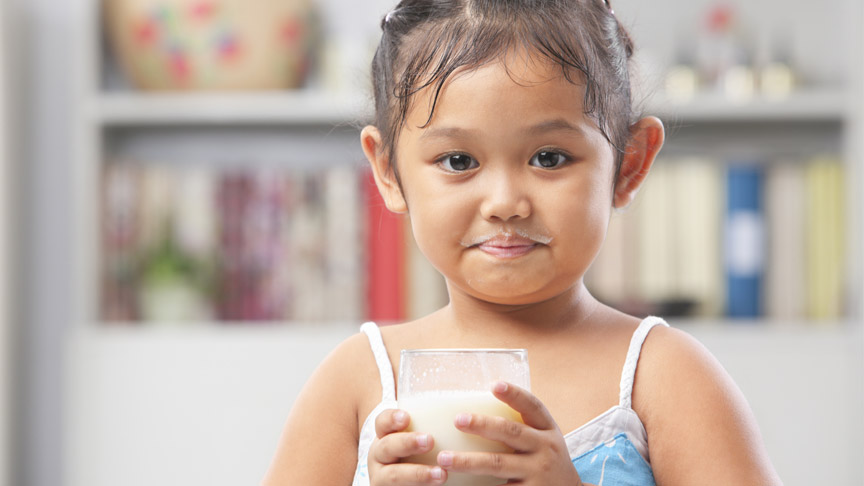
Cow’s milk can be an important part of a healthy diet for children, but too much can put infants and toddlers at risk of iron-deficiency anaemia (IDA).
IDA caused by excessive milk intake occurs when a child’s diet is too high in cow’s milk and too low in iron-rich foods. The lack of iron leads to fewer healthy red blood cells being produced, which can impact a child’s growth and energy levels and, in some cases, can be life-threatening.
Iron is important for building red blood cells that carry oxygen around the body and is needed for growth, energy, muscle function and brain development. Severe cases of iron deficiency may require high-dose supplements or blood transfusions.
Why is too much milk a problem?
While cow’s milk is a good source of important nutrients like protein, calcium and vitamin D, it’s naturally low in iron (and much lower than breast milk and formula) and doesn’t meet the iron requirements of growing children.
It can also interfere with the body’s ability to absorb iron from other foods. Drinking too much cow’s milk can also reduce a child’s appetite for iron-rich foods because their stomach’s feel full. In some cases, in excess it can irritate the digestive tract, leading to additional iron loss through internal bleeding and directly impair absorption of important nutrients.
Signs your child might be iron deficient
Common symptoms of iron deficiency include:
- Pale skin
- Lack of energy or tiring easily
- Shortness of breath
- Loss of appetite
- Slow growth
- Behavioural problems
- Brittle hair or nails
- Getting sick easily
If you notice these signs, or are worried your child might be iron deficient, it’s important to visit a GP. Your GP can order a blood test to check their full blood count and ferritin (a measure of iron stores). If your child has low iron, your GP will recommend an iron supplement and/or refer them to a dietitian.
How common is IDA or ‘milk anaemia’?
IDA caused by excessive milk intake is very common, affecting 1 in 5 children in industrialised countries. It’s the most common nutritional deficiency worldwide, particularly in children under 5.
How much cow’s milk should my child drink?
The current Australian guidelines recommend:
- Under 12 months: No cow’s milk, only breastmilk or formula.
- 1-5 years: Up to 500ml (two cups) of cow’s milk per day.
- 5 years and older: No set recommendations but up to 500ml is a good rule of thumb.
Note: This guidance applies only to cow’s milk and does not include other dairy products such as yoghurt and cheese.
How can I do to ensure my child gets enough iron?
The best way to prevent IDA in babies and toddlers is to make sure they get enough iron in their diet and stick to the recommended amounts of cow’s milk. Every child will have different needs when it comes to iron intake, but as a general guide:
- Avoid using milk as a substitute for meals.
- Encourage iron-rich foods such as meat, green leafy vegetables, eggs, baked beans and nut butter. Children aged 1-5 years should have at least 3 servings of iron-rich foods daily
- Boost absorption: Foods high in vitamin C can also help with the absorption of iron. Pair iron-rich foods with such as oranges, strawberries, blueberries, pineapple, tomatoes, capsicum and broccoli.
- Look for iron-fortified products (products with added iron) such as cereals, breads, infant formula and flour.
- Discuss iron supplements with your GP. They may recommend a course of supplements to boost your child’s iron levels.
Iron in food
There are two types of iron in food: 1. Haem iron (from animal foods) 2. Non-haem iron (from plant foods)
Haem iron is absorbed by the body about ten times more easily than non-haem iron. Foods that contain haem iron include red meats (beef, lamb, pork), poultry (chicken or turkey), and fish.
Non-haem iron is found in some plant foods but is not absorbed by the body as well as iron from animal foods. Foods that contain non-haem iron include Iron-fortified breads and breakfast cereals, legumes (e.g. kidney beans, baked beans, chickpeas), green leafy vegetables, Nuts/nut pastes and dried fruit and eggs.
By knowing the signs of iron deficiency, understanding how much milk is just right and encouraging your child to eat enough iron-rich foods, you can help them stay healthy and strong.