
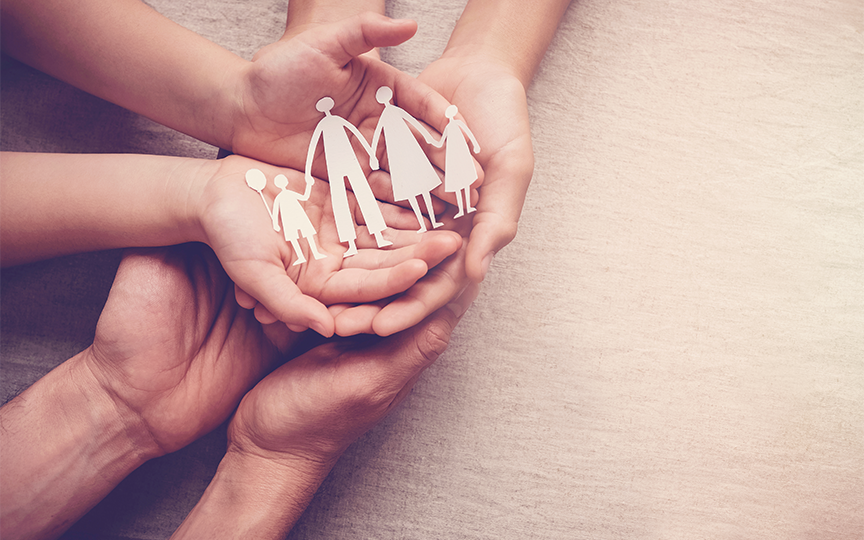
When a child or young person experiences a life-changing illness or injury, it can affect the whole family - often in many ways, and for a long time. From the early days of their admission through rehab and beyond, it’s natural for the family’s focus to shift toward the child who is unwell.
Siblings of children with serious illness often experience their own significant stress. This can affect many parts of their daily lives. They will have their own feelings, reactions and needs, but for many reasons they may find it hard to raise them. This blog explores what siblings might be feeling and offers ideas to help support their unique needs.
Relationships can change, too. For siblings, this can bring some big feelings. They may be worried about their brother or sister, miss their parents or feel confused about what is happening. They might avoid asking questions out of fear of upsetting their parents or unwell sibling. They might also feel alone or angry or jealous about how much attention their sibling is receiving.
It is also common for siblings to worry that someone else in the family, or they themselves, may also end up in hospital. Other children may show incredible resilience during these difficult times and may show deeper compassion empathy and a greater appreciation for family members. All of these feelings are okay.
Siblings are part of the journey, too
When a child is seriously unwell or injured, it’s natural for much of a family’s attention to be focused on them.
Queensland Children’s Hospital Advanced Social Worker Alana English stated that parents are often trying to manage multiple priorities at once.
“At the same time, other children in the family are trying to make sense of what has happened and can feel scared which might show in behaviours such as feeling scared to go to sleep or go to school,” she said.
“Giving children honest, age-appropriate information can help them understand what is happening and what is known about their sibling’s recovery, reducing confusion and fear or misplaced guilt that their sibling’s brain injury is somehow their fault. It’s also important to give them opportunities to ask questions and talk about how they are feeling.”
That includes making space for feelings that can sometimes be difficult to admit, but are understandable, such as jealousy or anger.
Keeping some familiar routines can also help give your children a sense of stability. Where possible, this might mean keeping to regular bedtimes, continuing school, sport or other activities, even if grandparents, relatives or friends need to step in to help.
It can also be useful to let your child’s school know what is happening at home. Changes in behaviour or emotions may show up at school, and teachers can be better placed to provide support if they understand what the family is going through.
Find the small moments
It may not be possible to spend the same amount of time with each child as you did before the illness or injury.
Amanda, whose daughter Sophie experienced a brain injury as a young child, says finding small opportunities to spend one-on-one time with her son, Elliot was important.
“Sometimes it was a special movie night. Later, it was the 15 minutes we had together in the car between school pick-ups,” Amanda said.
“In the beginning, it is hard, but you find ways moving forward.”
Those moments don’t have to be big or carefully planned. Reading together before bed, having a chat in the car or spending a few minutes doing something they enjoy can help siblings feel connected.
Siblings can bring something special to recovery
It’s also important to consider how spending time together, as a family, may be helpful and assist their sibling’s recovery.
Alana said a brother or sister can bring a completely different energy into a hospital or rehabilitation environment.
They might make their sibling laugh, encourage them to try something or simply provide a welcome break from conversations about treatment and recovery. Siblings can also be powerful motivators during rehabilitation.
Amanda and her family made a deliberate decision to see Sophie’s recovery as something they were navigating together. Elliot was included in his sister’s rehabilitation and, as the children grew older, developed a deep understanding of his sister and her needs.
“We turned it into the family’s journey of recovery,” she said.
Families can grow through difficult experiences
No family would choose for their child to experience a brain injury. But families may also discover strengths in themselves and each other along the way.
Amanda describes seeing compassion, kindness and resilience develop within her family. Her experiences also led her to learn new skills in research and advocacy, while her son developed a desire to help others. The experience may change a family, but change does not only mean loss.
There can also be new relationships, strengths, perspectives and ways of supporting each other that develop over time.
Remember that everyone may respond differently
One family member may want to talk about what has happened. Another might focus on practical tasks.
Someone may need time alone, while someone else may cope by finding moments of humour.
“There isn’t one right way for a family to respond,” Alana said.
Parents and family members can experience grief and trauma differently and at different times.
Understanding those differences can make it easier to support each other rather than expecting everyone to cope in the same way.
If you are worried about how a sibling or another family member is coping, talk to your child’s healthcare or rehabilitation team. Support is available for the whole family.
Where to get support
You don’t have to manage everything alone. Talk to your friends and family, especially other friends who have been through similar experiences and your child’s healthcare or rehabilitation team about how you’re feeling and what support is available. This may include a social worker, psychologist, neuropsychologist or another mental health professional.
Helpful resources
- Supporting siblings: when your child has disability or ADHD
- Source Kids - For parents, carers & professionals of children with special needs
- Momentum
For families navigating life after a brain injury, our Beyond a Brain Injury podcast shares one family’s experience alongside practical insights from health professionals about mental health, recovery and adjustment.